The low-key producer - Kadi Gomis
The French Freeskier on skiing, fashion, and producing music
— A Portrait in collaboration with Oakley
At the beginning of 2026, Knuckle Mag released its 7th annual print issue, exploring the theme of music. In those pages is a profile on Hugo Burvall — or rather his producer-alter ego, Phantom. It turns out Hugo isn’t the only skier carving a path into the world of music, moving from beats to labels and the greater music industry. Following a similar trajectory is French skier Kadi Gomis, a multi-talented figure; producer, professional skier, and fashion creator in his spare time.
Currently chasing qualification for the 2026 Olympic Games, Kadi has just returned from a World Cup stop in Aspen, where unfortunately a mistake led to a heavy fall — thankfully without serious consequences. A bit of rest is now needed before the next decisive competitions, leaving time to work on his creative pursuits. Maé Biedermann met him between two sessions producing beats on his laptop.
Hi Kadi, can you introduce yourself?
My name is Kaditane Gomis, but everyone calls me Kadi. I’m 23 years old. I’m part of the French national team in slopestyle and big air. I live near Annecy, France, and my home resort is La Clusaz.
Can you tell us a bit about your childhood?
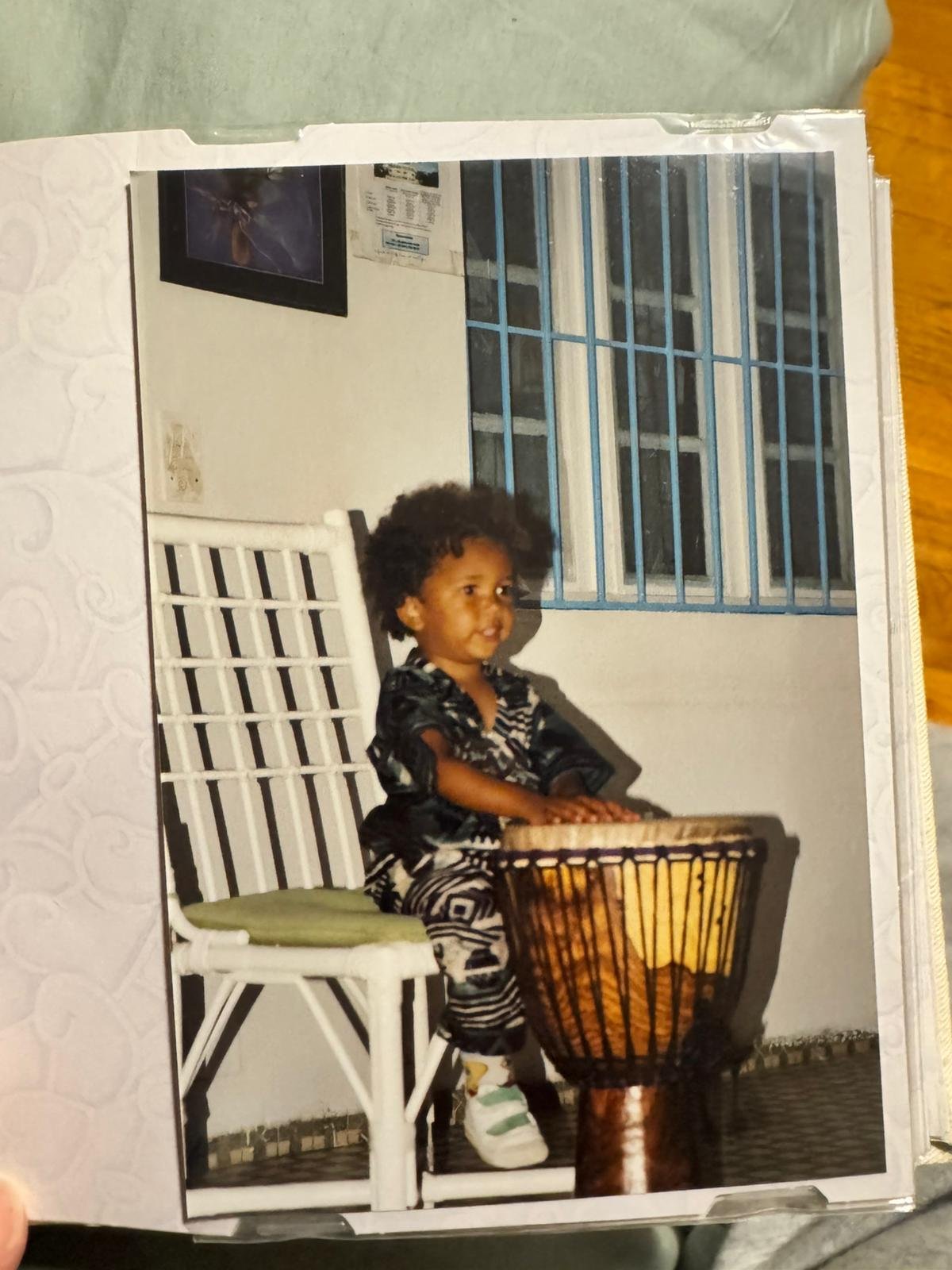
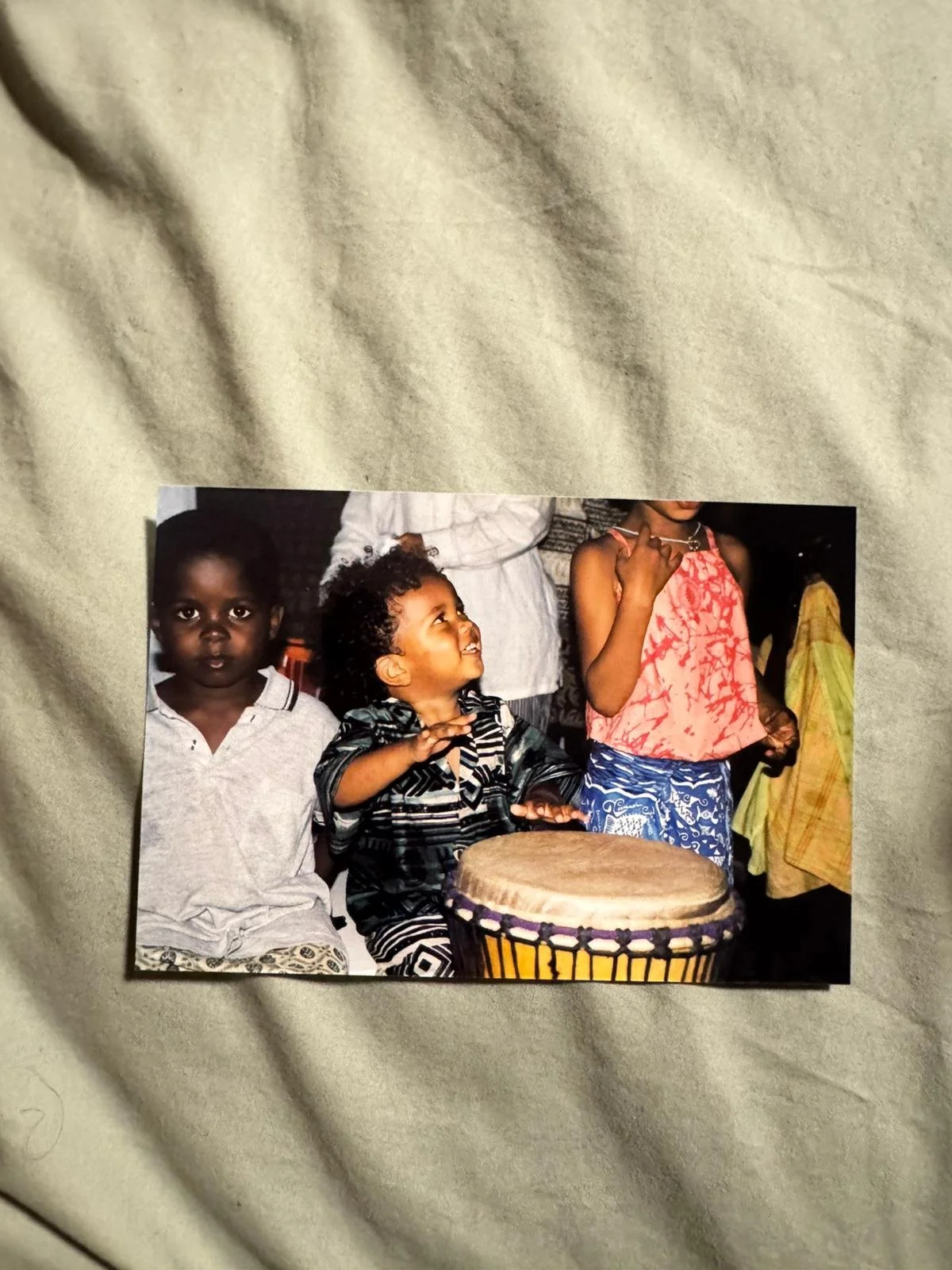
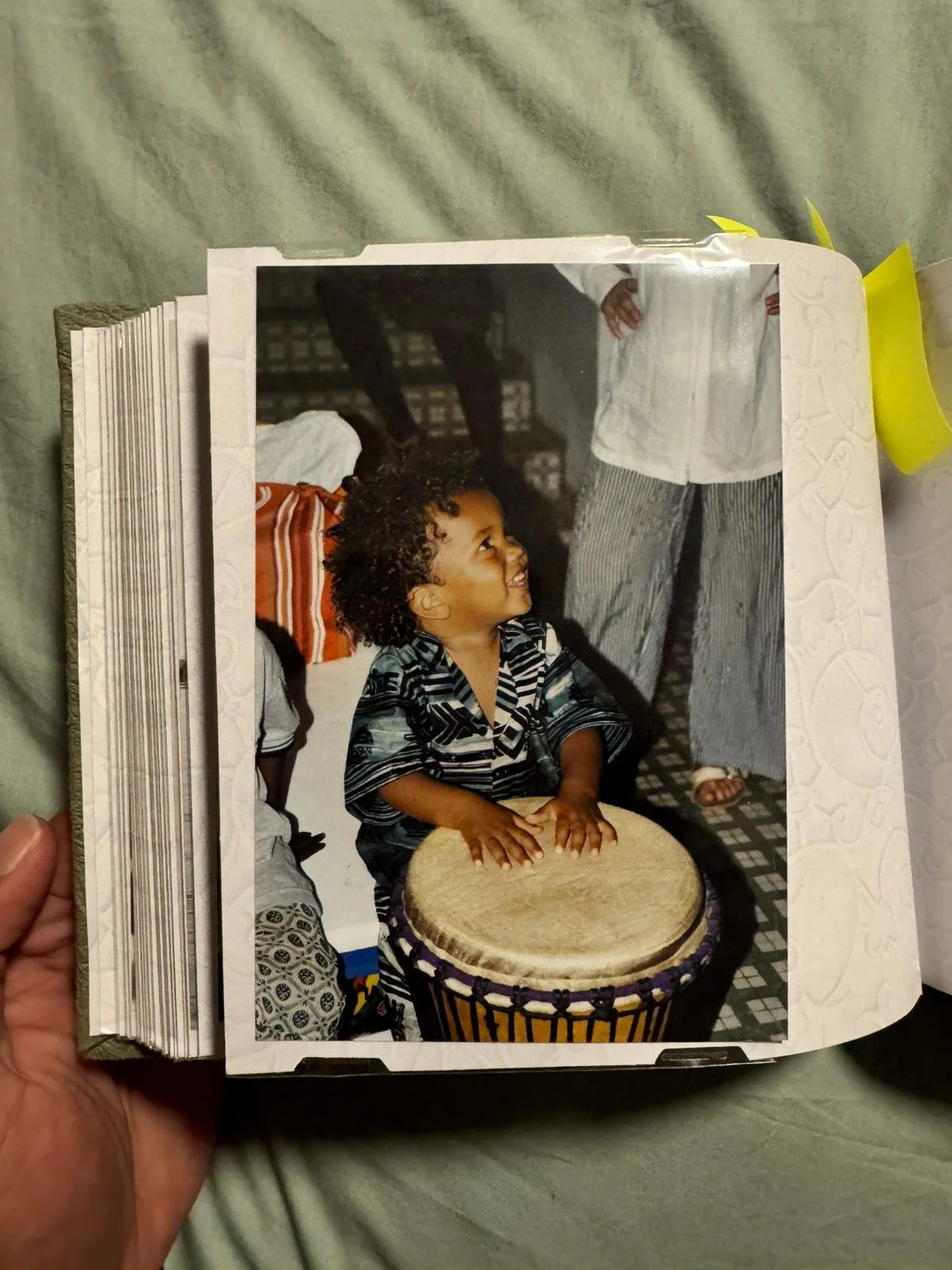
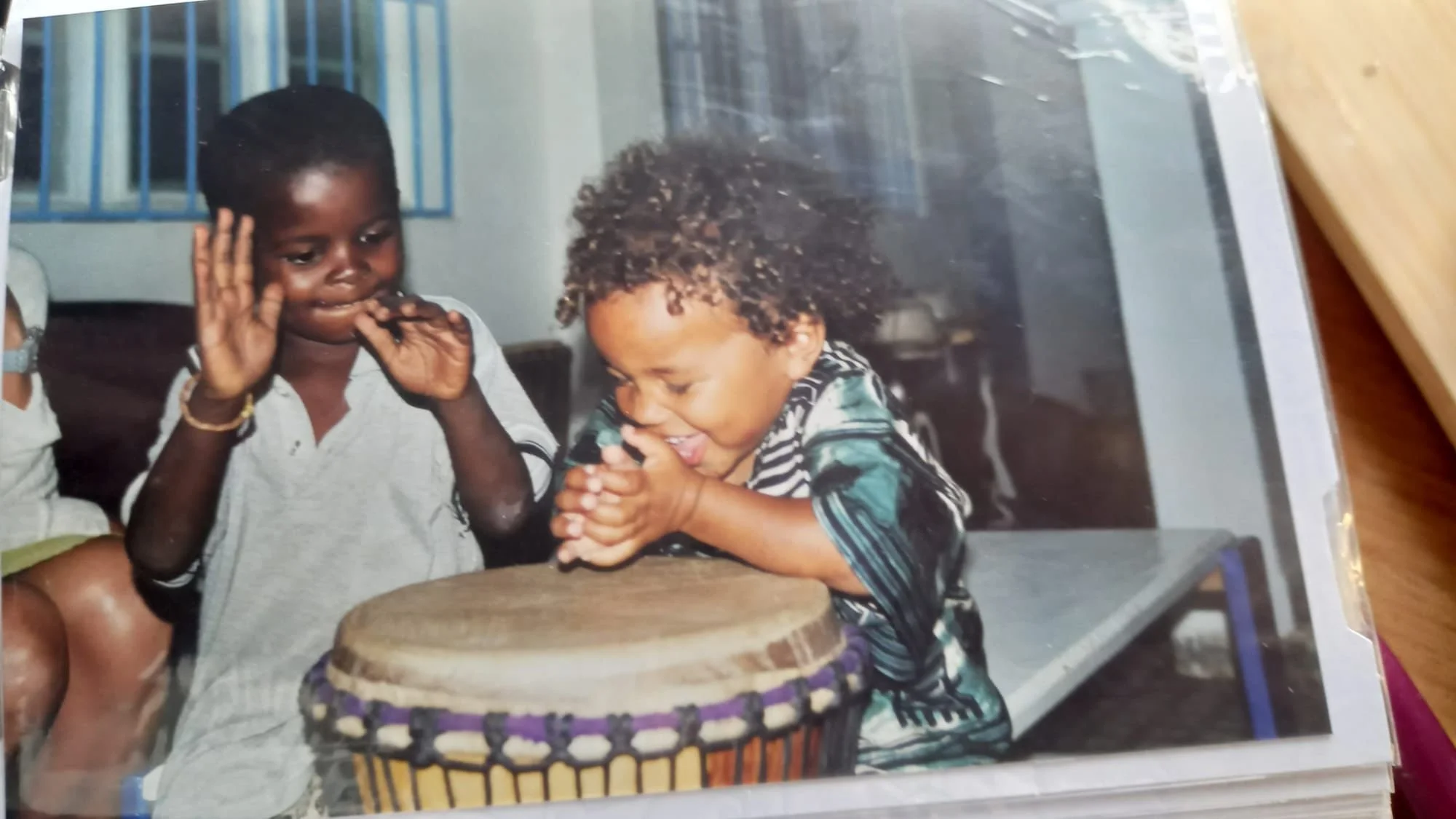
Originally, my dad competed in the Olympic Games in alpine skiing — but for Senegal. After his high-level career, he became a ski instructor. My mom taught African dance; she’s been a dance teacher for 35 years. When I was a kid, I did breakdancing! I also have three sisters. My oldest sister is a professional dancer. Another one is a musician and artist, Sahëlie. I’ve always been surrounded by music.
How did you start skiing?
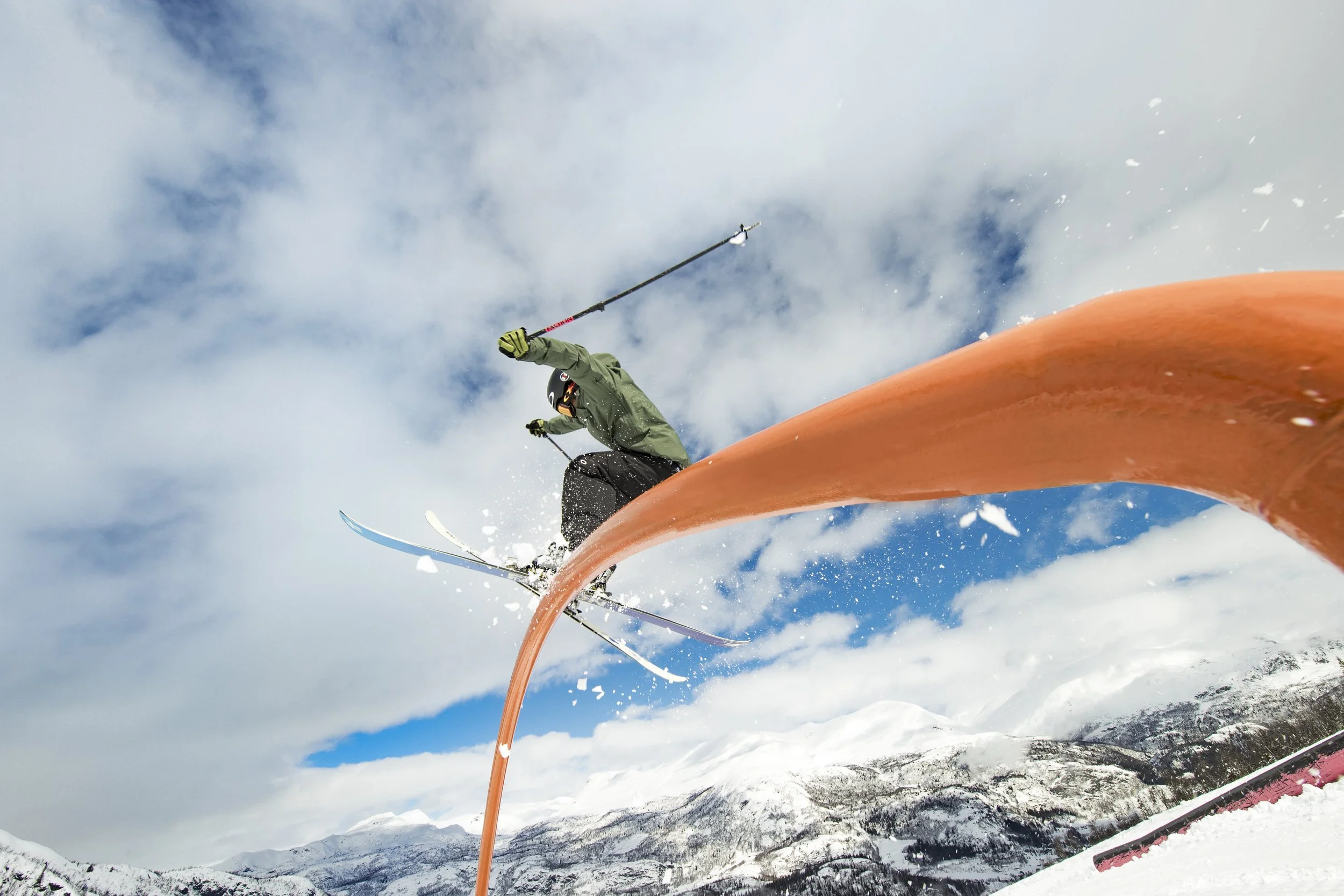
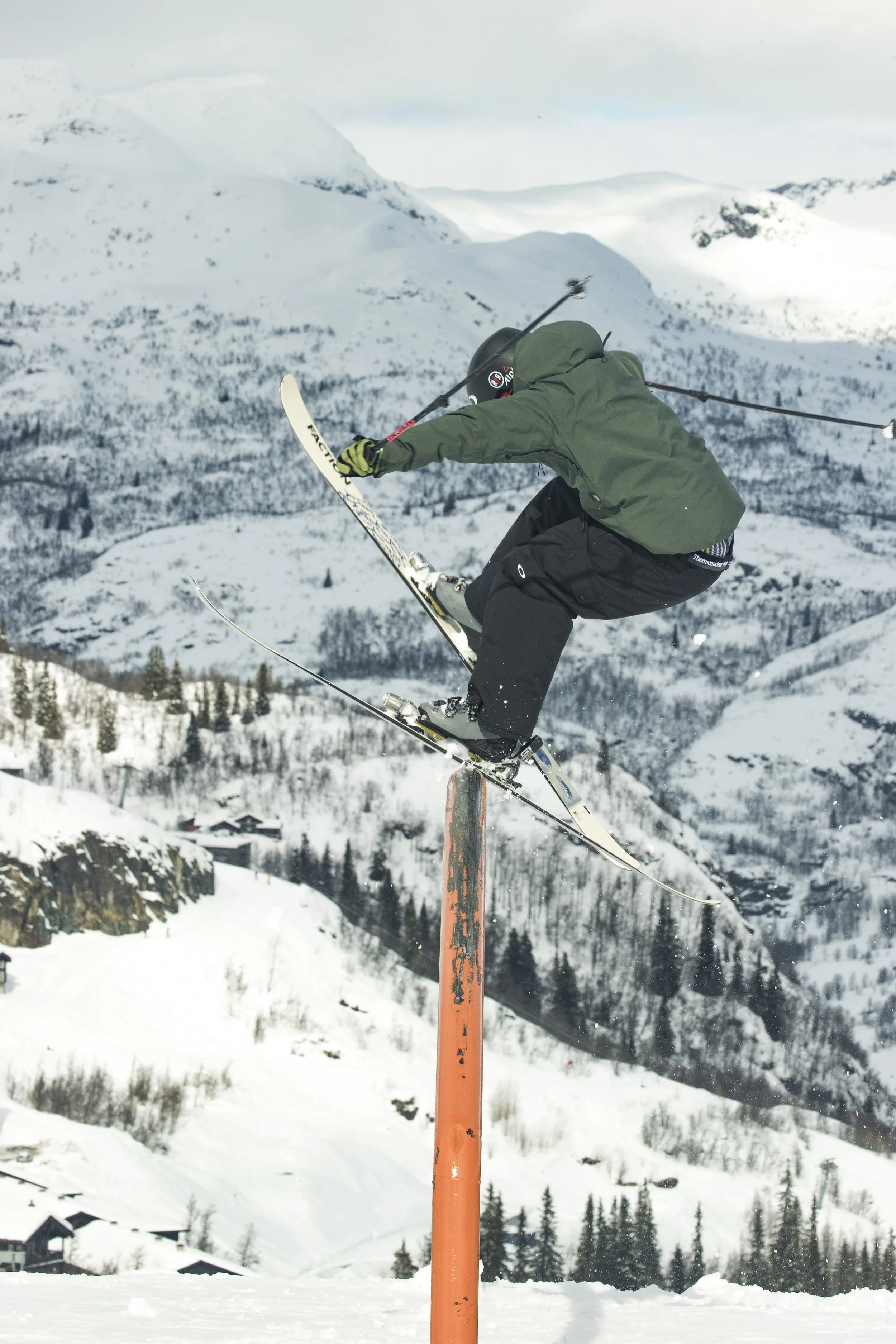
I started skiing very young, but back then my real dream was to become a professional footballer. During my alpine skiing years, I never watched alpine competitions or videos. I was constantly watching edits of Sammy Carlson, Kevin Rolland, Candide Thovex, Simon Dumont, Tanner Hall… I was skiing alpine without really knowing why. Coaches and friends eventually pointed out that on skis I was always going left and right, jumping off piste edges all the time. I’ve always kind of messed around on skis.
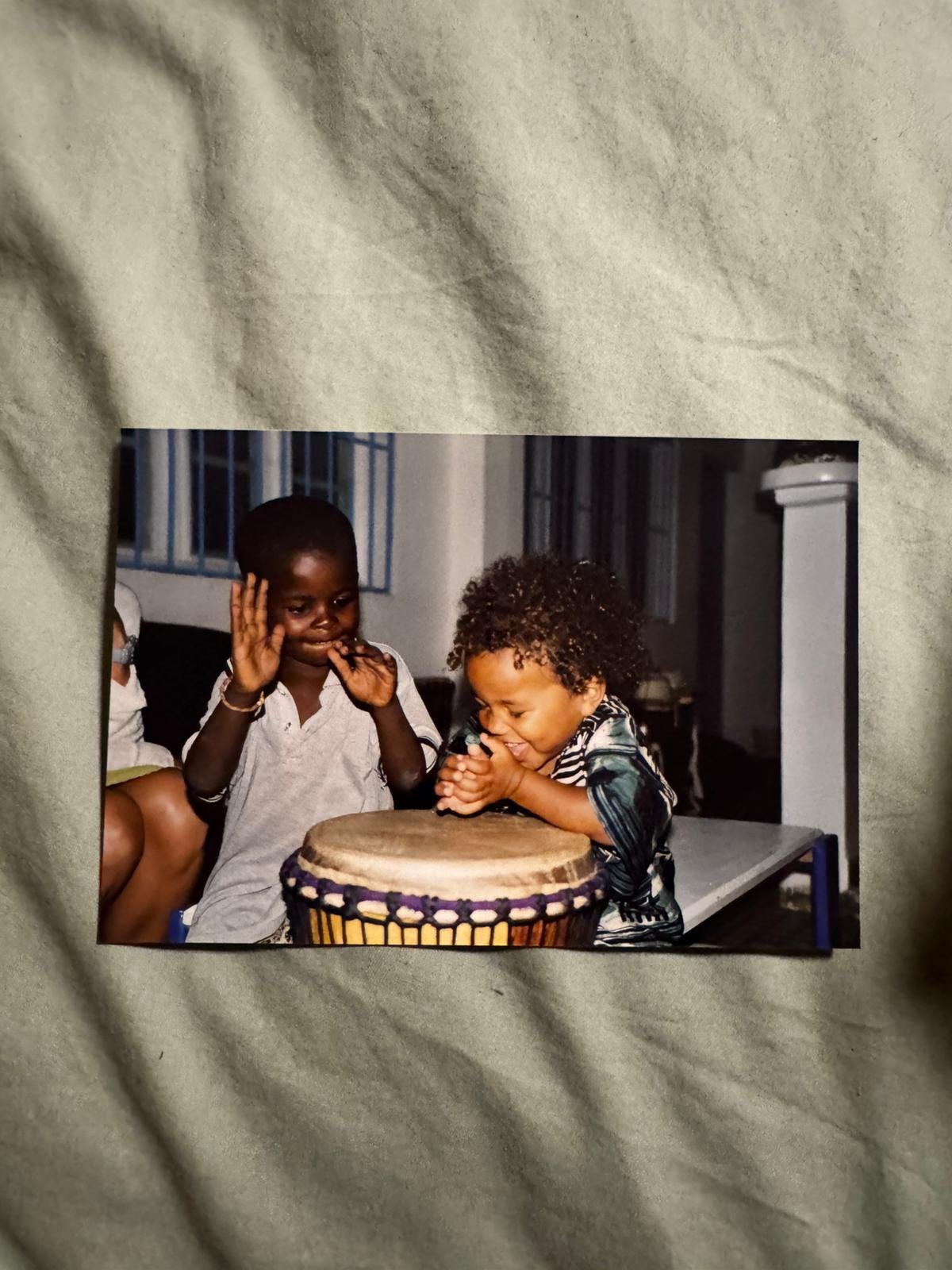
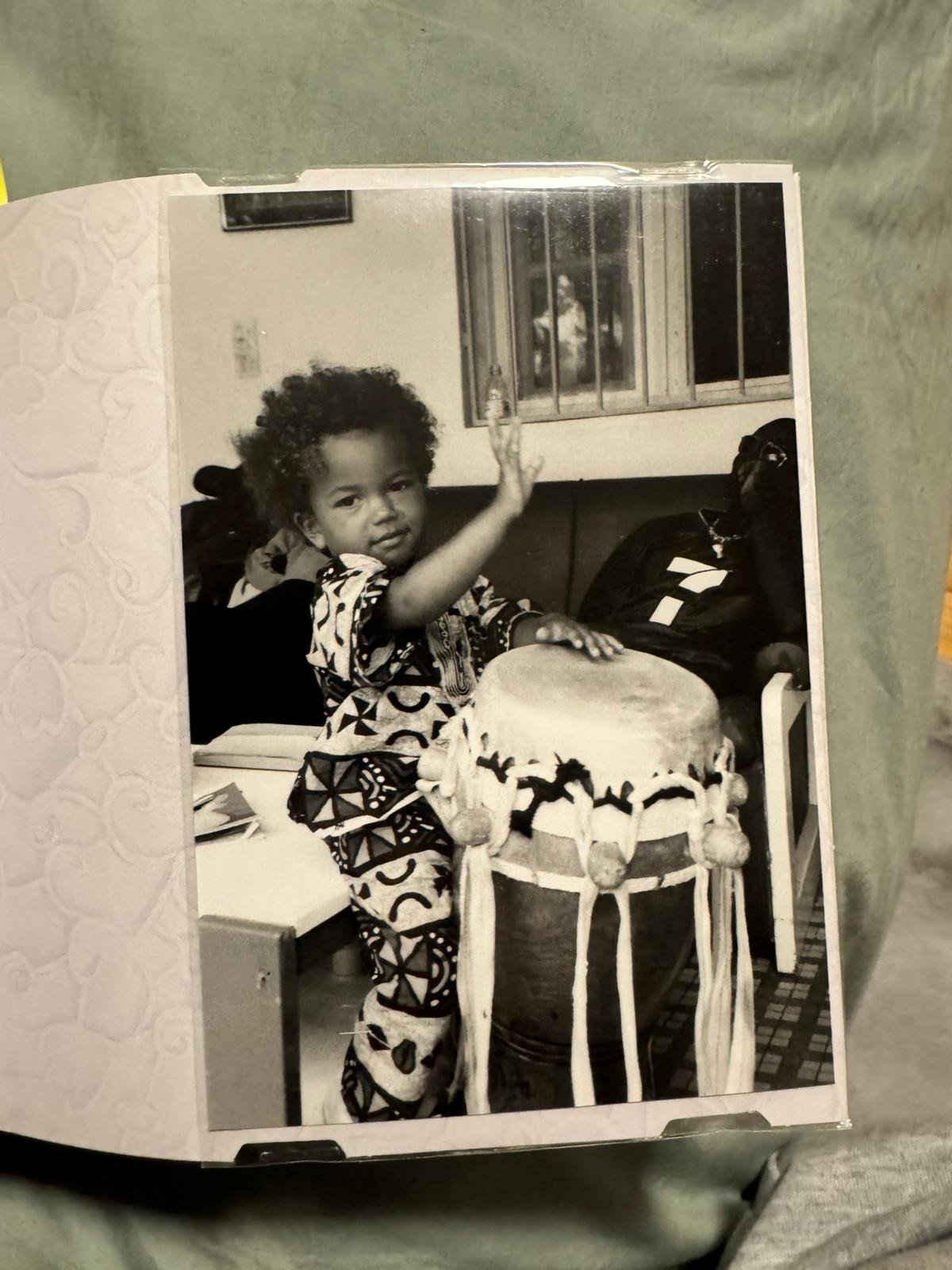
„For us it felt like a vacation, but in reality it was dance classes all day. I accompanied the classes on the djembe. Seriously, not just banging on it. I was 10 years old. I grew up with African percussion, then moved toward rap and hip-hop.“
What kind of music did you listen to growing up?
I listened to everything. Music was always present. My parents organized dance camps in Senegal. They had set up a tailor-made travel agency for French people, and we all went together. For us it felt like a vacation, but in reality it was dance classes all day. I accompanied the classes on the djembe (editor’s note: goblet-shaped hand drum). Seriously, not just banging on it. I was 10 years old. I grew up with African percussion, then moved toward rap and hip-hop. I listened to French rap, but I was even more drawn to US rap. I also took drum lessons. It’s the only instrument I properly learned.
When did you start making music on a computer?
I started making music with Tormod Frostad. He’s the one who pushed me to begin. We’ve been very close since 2018–2019. We clicked immediately. I started making Instagram edits early on, before it became normal like it is today. We realized we had exactly the same musical taste for edits. Torm told me: “You need to make beats. Even if you’ve never touched a computer in your life, what matters most is your ear.” I started producing on FL Studio around the 2020 Youth Olympic Games.
So there’s a small community of skier-producers?
Yeah, it’s pretty funny. With Torm, Hugo Burvall, Basti Bugatti, and others, we have an iMessage group of “skier-producers,” let’s say. There’s also a guy (editor’s note: @leadbluntt on Instagram) who produced for Destroy Lonely, who reached out to us and connected with us. He discovered us through skiing. In that group, everyone has some kind of link to the ski world.
„When you’re making music, you’re so focused that no other thoughts can enter. Eyes on the screen, hands on the keyboard, ears in the headphones — it creates a real barrier.“
Do you create tracks together?
Yes. In the iMessage group, we send each other beats or loops — just simple melodies. Then someone sends it back with drums, bass, percussion. Another person asks for the .zip with all the stems to work on it. In the end, three, four, or five people might be working on the same track remotely. A lot of the big trap tracks people listen to today are made like that.
Why does trap music work so well collaboratively?
Because US trap music has largely been produced on computers. It’s also a contact-based scene. It works like ping-pong between producers.
I couldn’t find your SoundCloud. Are you doing this secretly?
I have absolutely nothing online! At first, when you start, you want others to see what you do. But looking back, my first beats were really trash. At some point I realized that before going public, I needed to be really good. I decided I’d release my music the day I get my first real placement — when a rapper actually uses one of my beats.
Do you think that will happen soon?
I’m starting to reach a solid level, meaning I could have tracks on albums. Hugo Burvall, for example, is ahead of me. He’s a real musician. Sometimes what he records and produces, he actually plays on guitar himself. He’s already signed to a label and has tracks with Ty Dolla $ign. That’s probably one of his first big placements. On my side, I have around 2,000 beats on my computer since I started. Maybe one day I’ll release a playlist.
How do you find time for music alongside your pro ski career?
It’s actually when I’m traveling for skiing that I have the most time. I spend hours in transport, planes and airports. That’s when I can create, because there’s nothing else to do. At home, there’s always something happening: a call, a friend to see. I’m less focused.
Do you always listen to music when you ride?
Very often, but I try to do it less in competition. Tricks have become so demanding that I don’t want to cut myself off from any information. I want to use my ears, for example, to judge speed. Torm also tries to listen less to music in contests. And when you produce music, you become hyper-aware of details in sound, which can almost distract you. I can lose focus very quickly because of that.
Are skiing and music complementary for you?
Totally. It’s freestyle, it’s highly creative. You can develop your own style, just like in music. Some sounds, you immediately know who produced them. In the park, it’s the same: you recognize riders regardless of what they’re wearing.
Skiing is very physical, music more mental. Does that balance help you?
It allows me to switch my brain off and stop thinking about skiing and everything else. When you’re making music, you’re so focused that no other thoughts can enter. Eyes on the screen, hands on the keyboard, ears in the headphones — it creates a real barrier. In skiing, you can get distracted on a chairlift or between runs.
Have you experienced injuries where music became an escape?
Like right now (laughs). I’m a bit injured from my fall in Aspen. Just before you called, I was making beats. I know it’s a true passion. If one day, unfortunately, I can’t ski anymore, I know I could fully commit to something else. With music, I found almost the same sensations. Landing a big trick or finishing an insane beat — it’s similar. You think: “banger.” You get your dopamine hit, you’re satisfied. And at worst, if you make garbage, you just close your laptop and it’s over.
That frustration fades faster than slamming a double 1620 on ice…
Exactly!
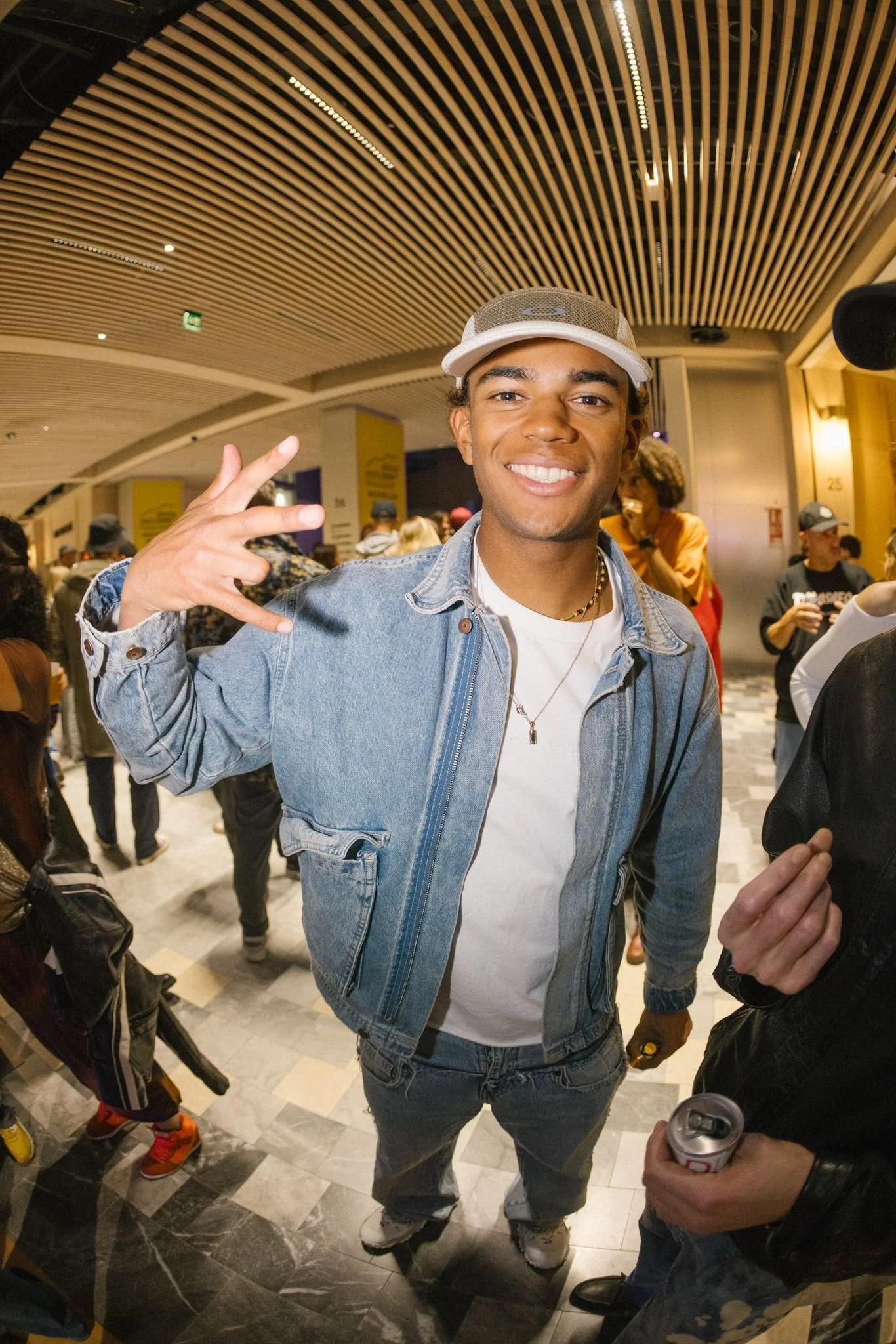
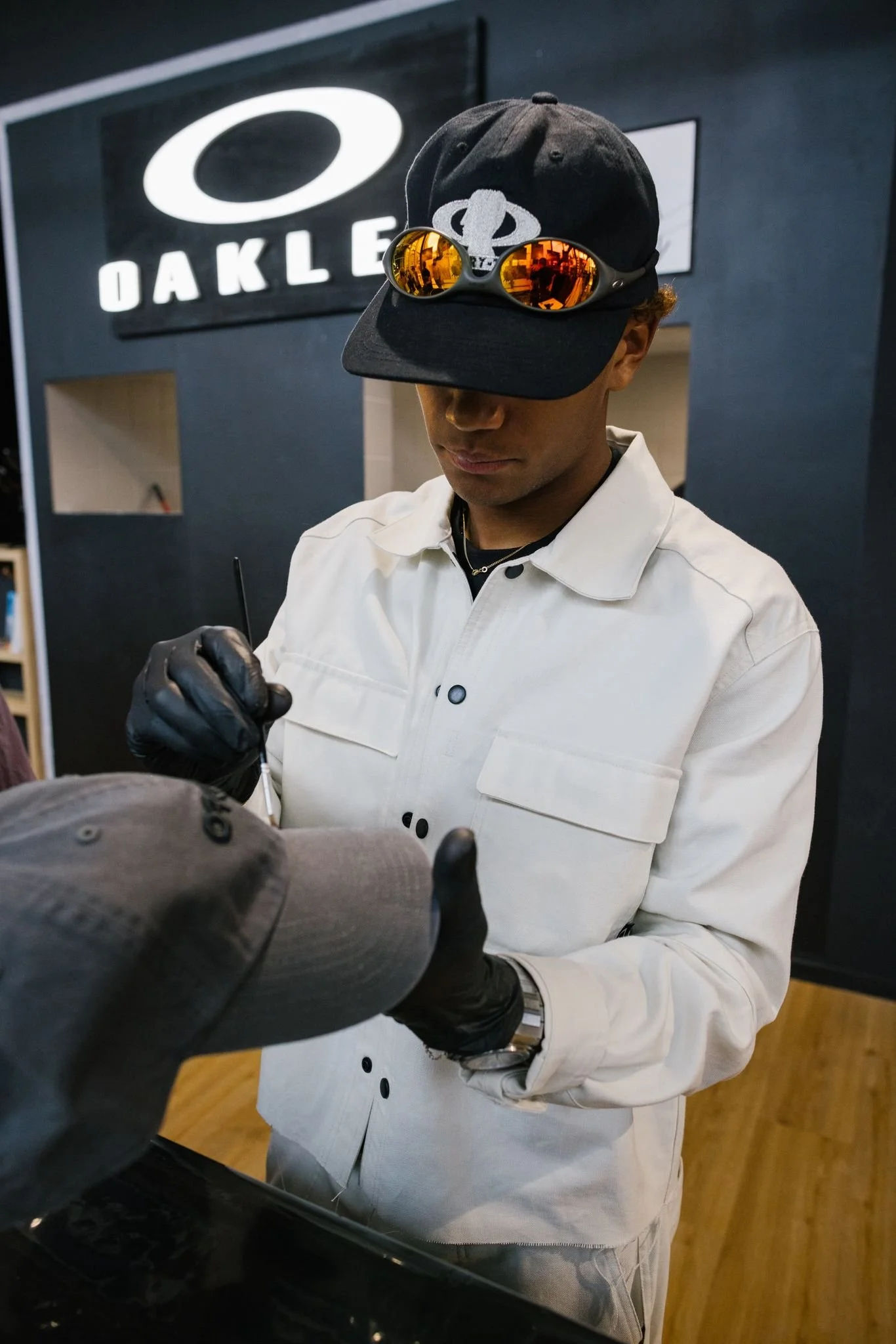
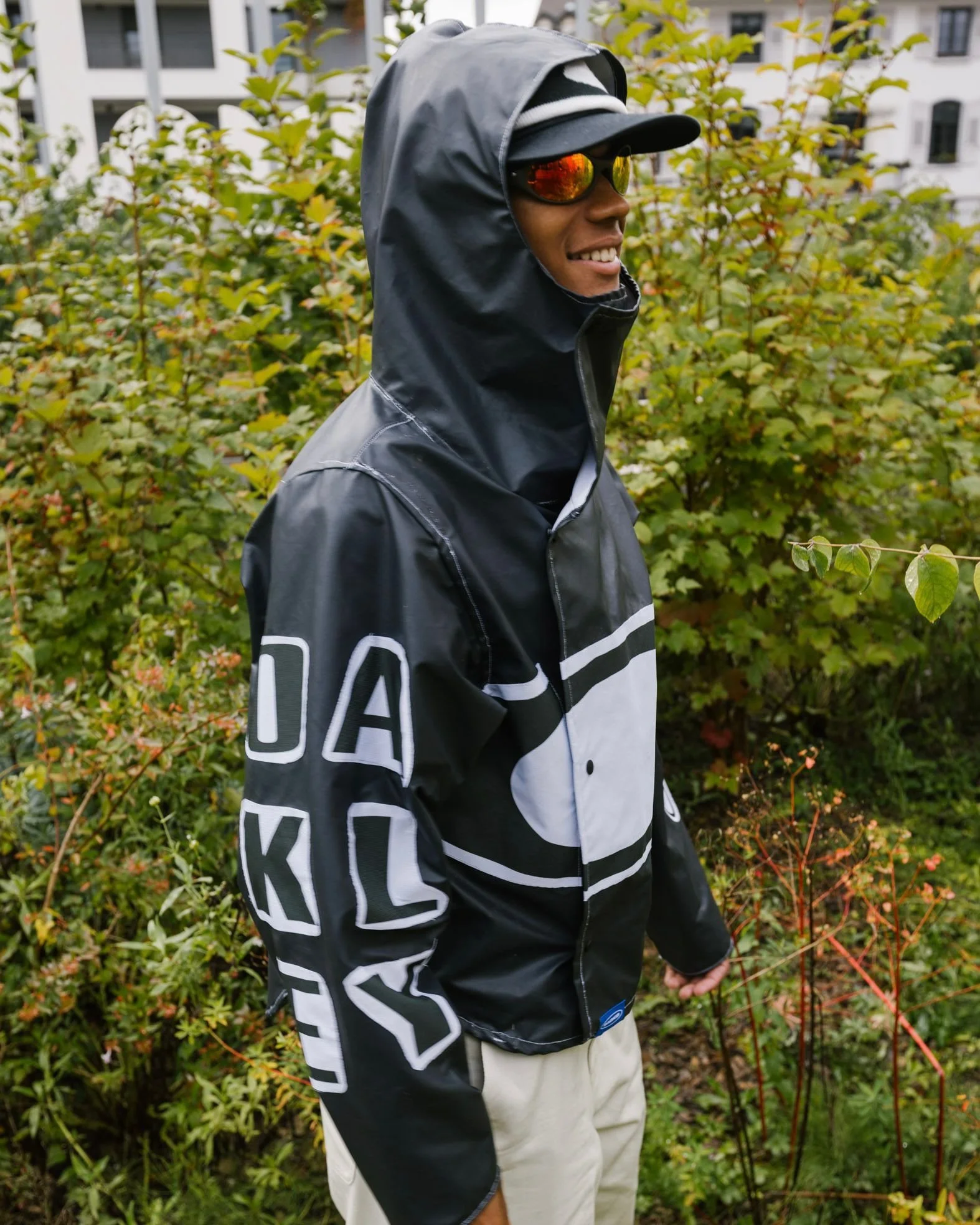
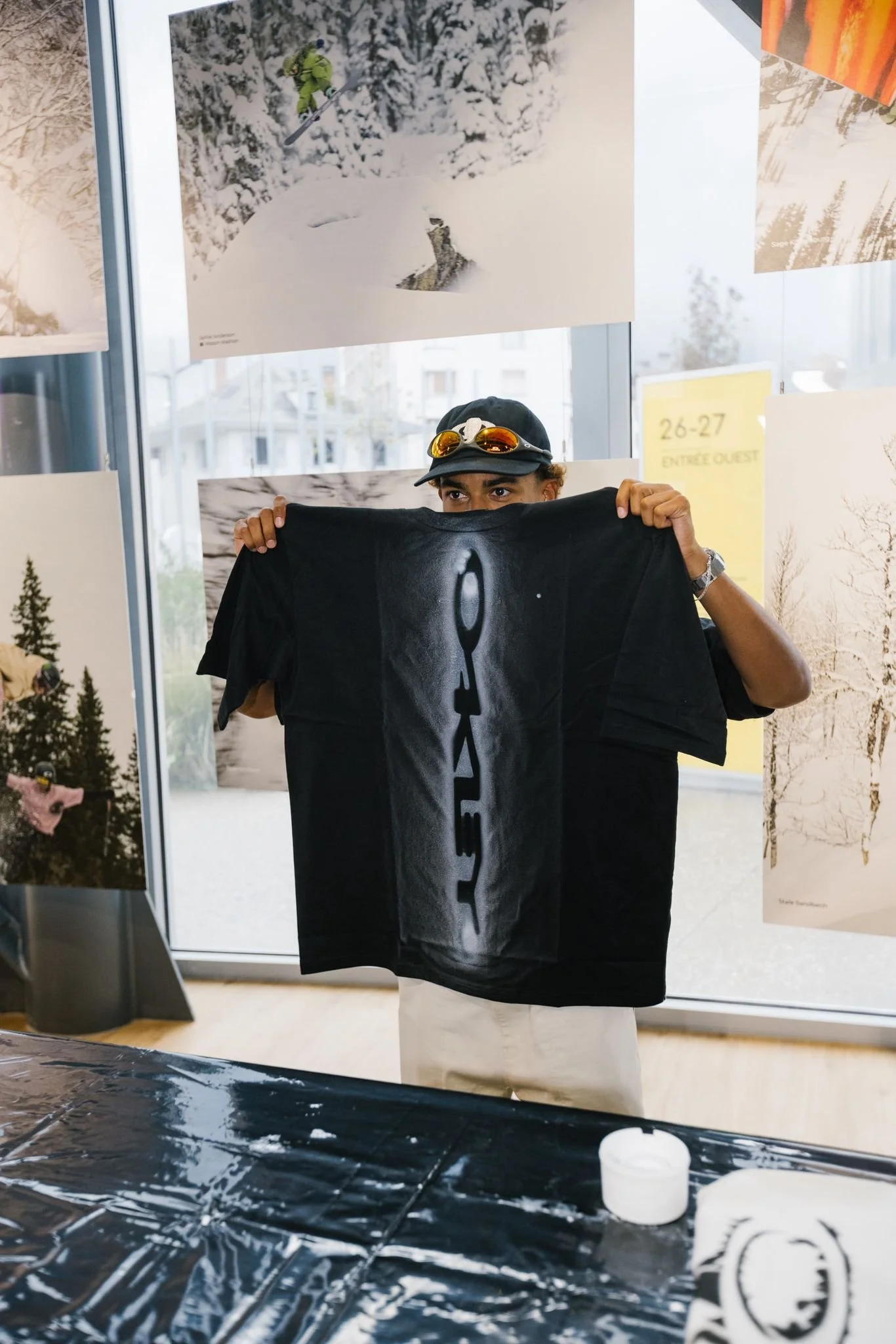
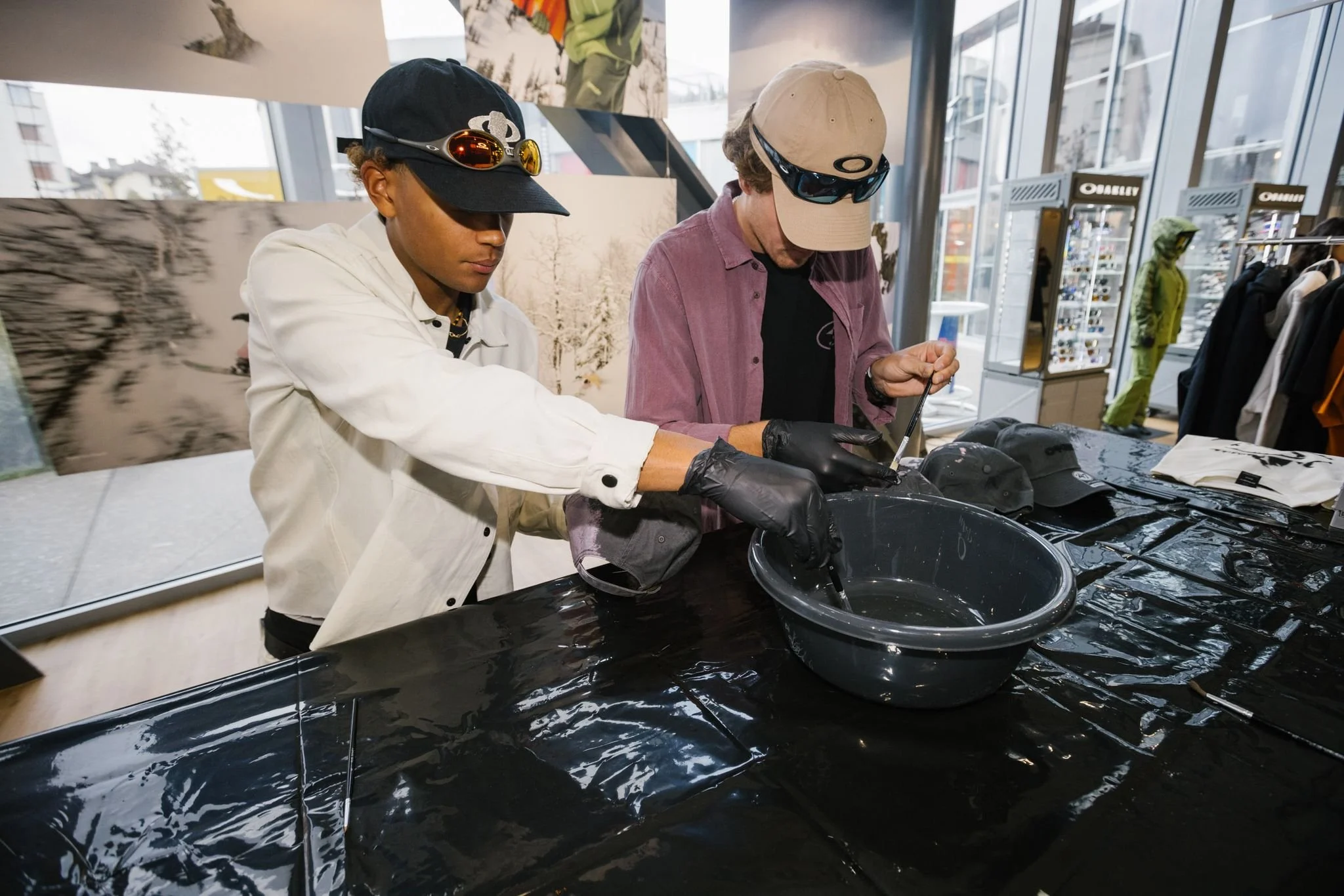
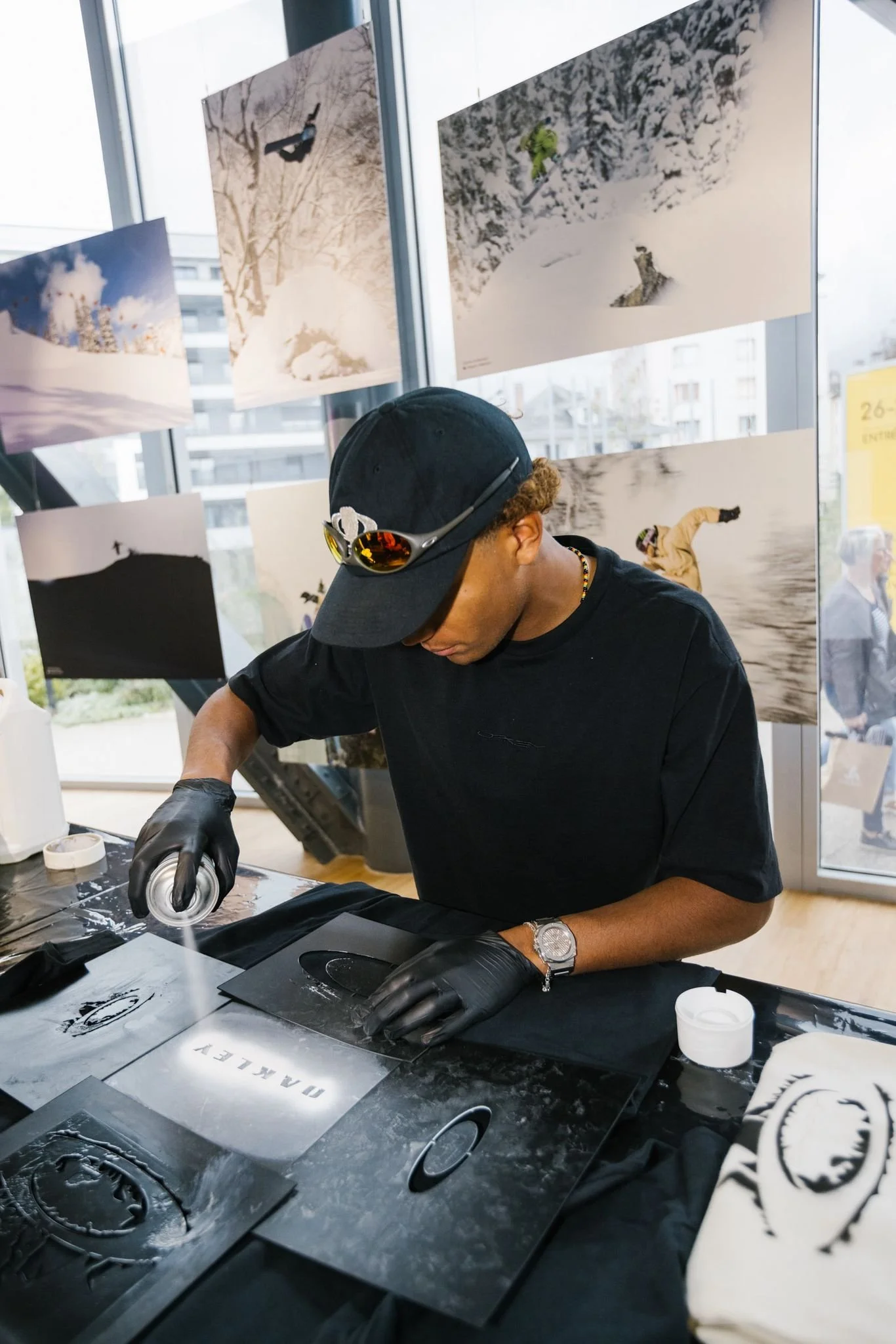
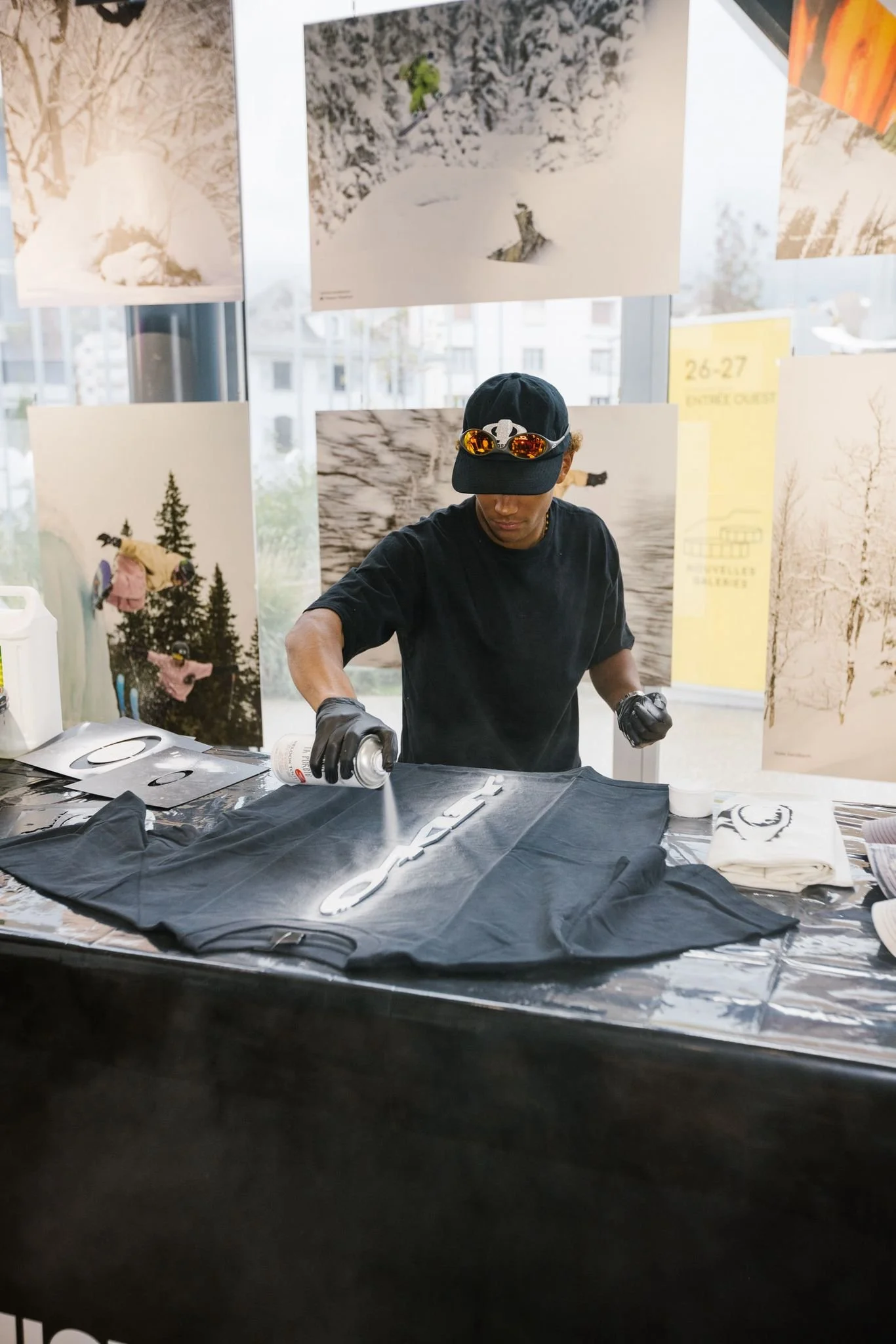
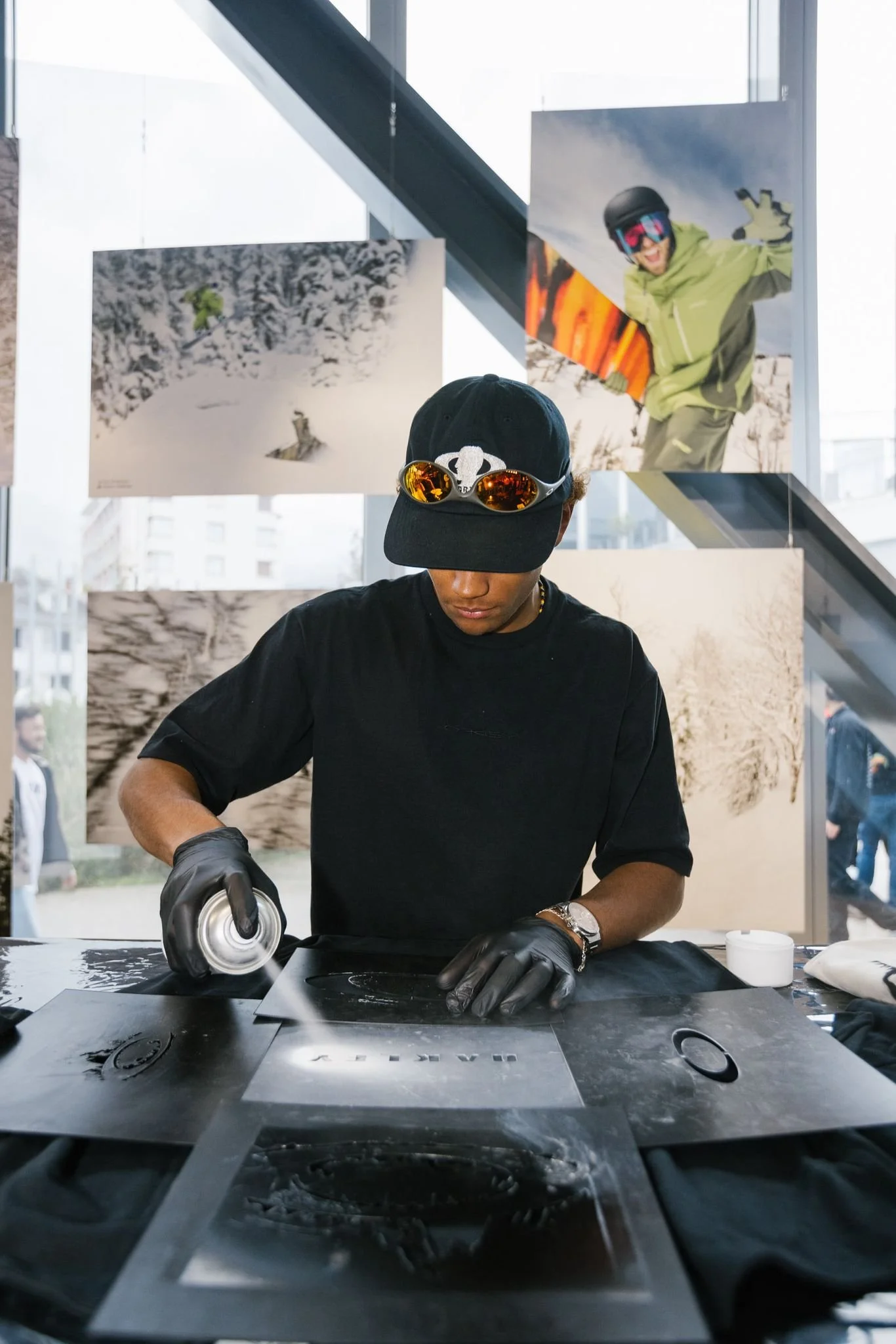
You’re also exploring another artistic universe: fashion.
Sahëlie, my sister who sings, also does sewing. She designs pieces. Since I was very young, I’ve liked dressing well. The whole family does. What I’ve always hated is wearing the same thing as someone else. If I showed up at school and another guy had the same hoodie as me, it pissed me off. In snowparks, it’s the same — you can easily end up wearing the same pants or jacket as others. With sponsors, it’s inevitable. So I started making custom pieces: tearing, cutting, painting my ski pants. Without overthinking it — just with the idea of being the only one wearing that the next day in the park.
You did that with Oakley sweatshirts and T-shirts, right?
Yes. I really like their products, but I want to be different. The last thing I did was flock printing: I printed rare and exclusive Oakley logos to create a unique piece. At Oakley, they really loved the approach. Last summer, they invited me to Paris Fashion Week for the launch of a collection. I also sometimes do fashion shoots for magazines. It all started with those modified clothes. Funny story in Copper, in the US, a random guy came up to me. He had reproduced a piece I made with an Oakley logo — and added the logo on clothes that weren’t even Oakley (laughs). That motivates me to keep going.
What was Fashion Week like?
It was cool, but it’s Paris… There are a lot of people (laughs). I met people deeply rooted in that scene. Growing up in Annecy, people consider me a fashion guy. But there… I was clearly a country kid. They talked to me about brands I’d never even heard of.
Do you want to develop more projects in fashion?
Yes. Fashion, music, and skiing all connect. You put together a kit, you ski, you film, you edit, you add music — everything is linked. These three worlds are always present.
But you still haven’t made an edit with your own beats?
No, very rarely. Even though I could. It’s funny — I use other people’s beats, but not mine. When you make a beat, you’ve listened to it a thousand times. In the end, it almost annoys you. You lose the excitement of making an edit with it, because it means listening to it a hundred more times.
Your dream project combining skiing and music?
With Torm! I’ll shout him out again in this article. My dream would be that our first placement comes from a beat we made together. I love this gang of producer-skiers who all have that dual identity.
Breaking through in music independently from skiing?
It’s not the same industry, but I want to keep a link between my image as a skier and music. I don’t want a producer alias. I don’t want to split the two.
Having one of your tracks in a ski film part?
Absolutely! Torm already did it in Catpiss by Capeesh, in his part with Matěj Švancer. It was a production by Torm and Johannes Taklo, a Norwegian snowboarder.
Who inspires you most in music?
There are so many… But among producers, I’d say Ginseng, Starboy, and Outtatown.
And in skiing?
Kai Mahler. His style, his tricks, the music choices in his Instagram and YouTube edits. He’s been my biggest inspiration in recent years. And I also want to mention Phantom Brickworks with Hugo Burvall: he produced several tracks for the film, and the musicality was incredible.
A final message to wrap up this interview?
I really encourage people to try making music. My biggest regret is not starting earlier. Production is something Torm introduced me to, and it changed my life. I never thought it would take up such a big place. It’s intense, powerful. Starting from nothing, just opening a software, you can build a full track. You don’t even need instruments — it’s truly “from scratch,” turning knobs and shaping curves. It’s crazy.
— An article in collaboration with Oakley
Interview: Maé Biedermann