Kya Bamba
Mika & Killa B
No other artist duo has shaped the music of the international freeski scene as much as Kya Bamba. The two Valais natives began mixing reggae with other musical styles as a sound system around the turn of the millennium and filled dance floors thanks to their exclusive dubplates. Legendary films such as “Believe” by Tanner Hall feature two dubplates by Kya Bamba, and they played at all the groundbreaking events of the golden era of freeskiing.
„We met at the turn of the millennium on the bus of the former Valais snowboard team. Today, you know the team as ‘Style Valais’. Mika and I each had our mini discs with us and wanted to play our songs on the cassette player.“
„We played music on our bus trips, just like they often do in the Jamaican music scene. We battled each other to see who had the better tunes. Whenever I played something new, Killa B would come along and say he had an even better track. When Killa B invited me to his house to marvel at his brand new Pioneer CDJ 1000, we realized we had found a shared passion.“
Killa B and Mika immersed themselves deeply in the reggae scene and were attracted by its playful yet competitive approach to music. It is completely unpredictable that two snowboarders from Valais, of all places, would dive into this originally Jamaican subculture together. The danceable and festive music made it easy to find an audience. And the parties at major winter sports events back then had a grateful audience.
How and why their career had reached such heights is difficult to answer. There were no tutorials or courses to learn music production. Killa B experimented a lot on the technical side and always used the latest products. Music charts for discovering trendy music didn't really exist yet. They had to talk to musicians and managers and continuously build a network. At the same time, it was the dawn of pervasive digitalization in the medium of music.
The internet was still in its infancy: Napster and mIRC were the only platforms for getting music that couldn't be found in record stores. Napster was the first peer-to-peer network for data exchange. mIRC was a kind of messenger service that allowed like-minded people to exchange ideas and send files.
Kya Bamba not only distinguished itself by playing trendy and new music, but also managed to produce very exclusive dubplates.
„We always had an ear for new talented voices and sounds. That’s how we sometimes got dubplates before the artists became really big. In Biel, someone once showed us a young artist. We thought he didn’t sing quite right, but we recorded 2-3 songs anyway. A few months later, he was at the top of the Billboard charts in the US — Sean Paul.“
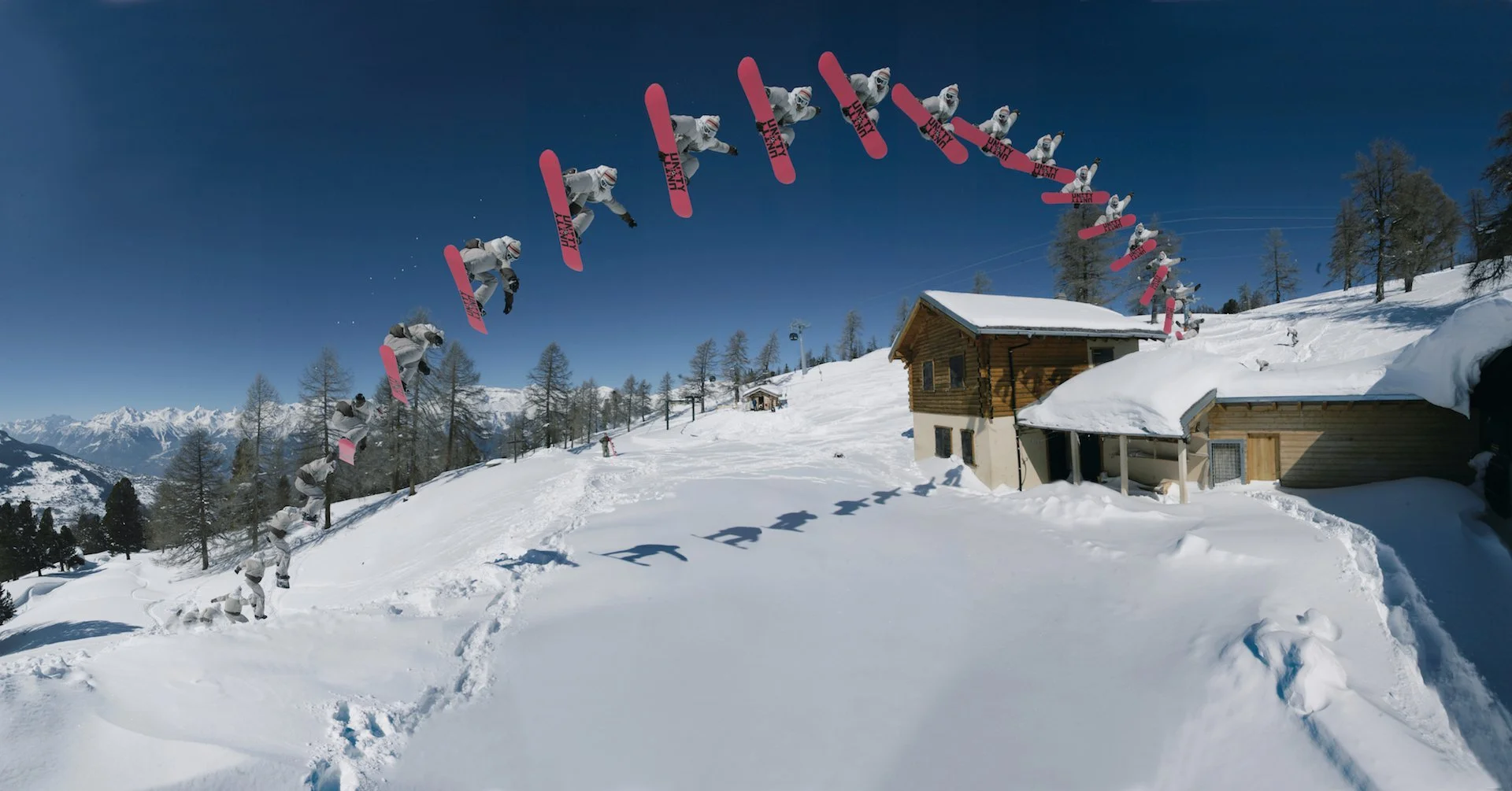
FS 360 Roastbeef, Veysonnaz Photo by Thierry Sermier
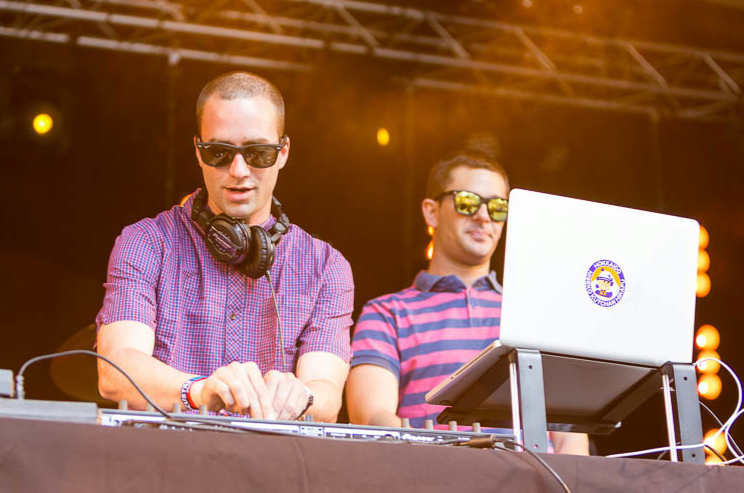
Killa B und Mika aka Kya Bamba at Caribana Festival 2013
„There is a separate market for dubplates. The more well-known artists a sound system has in its repertoire, the more popular it is. And the more often a musician is played on popular sound systems, the more famous they become. It’s a culture all its own, which also leads to clashes or battles, creating a competition to see who has the most exclusive collaborations.“
In the reggae scene, dubplates are a sign of how popular a sound system or DJ is. The more exclusive the list of artists whose dubplates a sound system can play, the more popular they are. And this list of collaborations at Kya Bamba is like a rendezvous of the scene. Million Stylez, Demarco, Elephant Man, Damian Marley, Afu-ra, Vybz Kartel, General Levy, Chronixx, Buddha Monk, Capleton, Sizzla, Popcaan...
What is a dubplate?
In Jamaican music culture, it is quite normal for singers to lend their voices to a sound system or DJ by recording exclusive audio tracks. Mostly on the original tracks, but also on other instrumental tracks, as their own sound. The music was cut into acetate discs, which were quickly available but not as durable as pressed vinyl records. This technique was used to provide DJs or sound systems with exclusive, short-term recordings. These exclusively produced recordings are still called dubplates today, even though they are produced digitally.

Soundsystem at a Field-Party in Jamaika, Photo: Mika
Kya Bamba was not a sound system in the traditional sense. In Jamaica, a sound system is more than “just” the DJ; it also includes the accompanying music equipment. And the more ostentatious and loud it could be, the more popular it was.
It was at the Candide Thovex Invitational in La Clusaz, in a small bar, where it was almost impossible to get a glimpse inside, yet people squeezed into the overcrowded bar because the beguiling dancehall sound and the voice of Killa B could be heard far into the streets. Inside, Kya Bamba played their dubplates and the party was exploding. It was one of those moments they will never forget. Most of the time, it was the small but packed club parties that were the most fun.
The fact that they were booked for large and small winter sports events around the world was thanks to a clever marketing idea, as was also common in the hip-hop scene. They burned their first mixtapes onto CD. Killa B bought a large burning tower for the computer and they burned up to 400 CDs for a party so that every visitor could take home a homemade mixtape. Their music spread through copying and passing on the CDs, and their popularity grew.
French freeskier JL Ratchel, one of the first of his kind, was also at one of these parties, got hold of a CD, took it back to America with him and showed it to, among others, ski boss Tanner Hall, who then contacted Kya Bamba about a collaboration for his film “Believe.” With the increasing importance of the internet, the eight mixtapes released by Kya Bamba were also made available for download online. They can still be downloaded today on Bandcamp.
„Actually, it’s a bit like in the winter sports scene. When you meet people and are active yourself, whether in music or sports, you quickly get to know key figures. “
But how did the two Valais snowboarders get so far in the music scene and meet such legends? Not many people know that Nico Vuignier, the internationally renowned freeskier, is Killa B's brother, and in that sense, he has nothing to do with the two snowboarders' triumphant success at winter sports parties.
Killa B and Mika spent their vacation in Jamaica with the sole purpose of recording vocals.
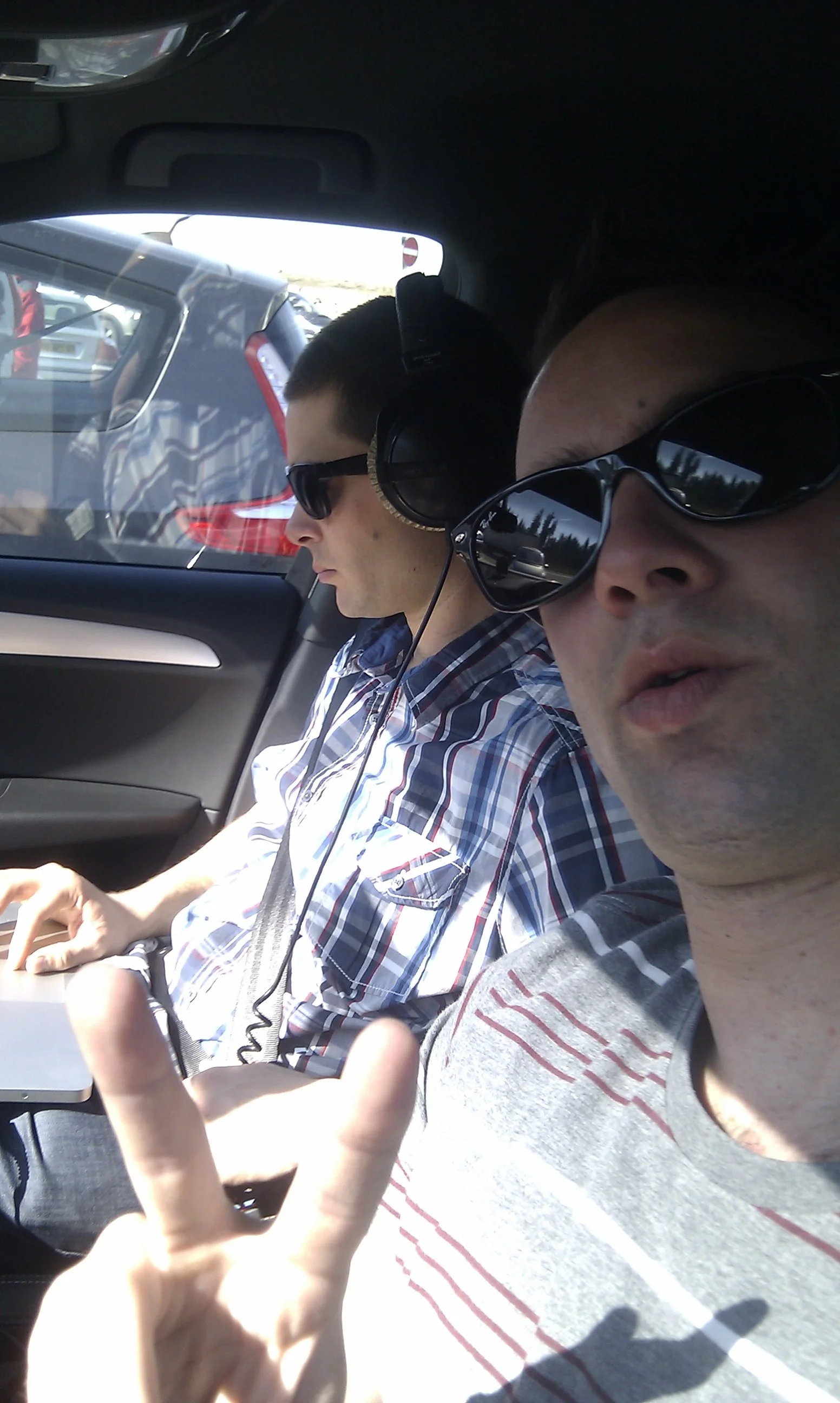
Soundrecordings Kingston Jamaika
„We have always recorded musicians everywhere, on the road, at home, on the street, in the park, etc.“
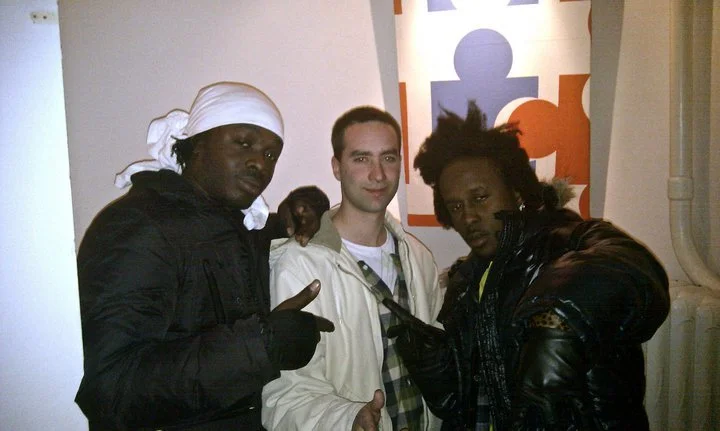
Jah Vinci, Mika, Popcaan – 2011
„On our travels, our goal was always to record the hottest and best artists, whether in Jamaica, New Zealand, America, or Japan. We really traveled differently and always had to go from contact to contact until we got to the musicians. Then Myspace came along and it became much easier to get in touch directly. Incidentally, it was Buddha Monk who first told us about the network, right at the beginning, when it was just starting up.“
„We actually only ever did it for ourselves. When I bought CDs in my youth, it was because I wanted to listen to them. We never imagined what would happen afterwards, with parties and events all over the world, the big festivals in Switzerland from Paleo to Caprice Festival.“
He once visited Killa B's parents, who were shocked by his size. When Mika picked up Buddha Monk in his small car, he noticed that he always had to countersteer because the car pulled to the right. It was often a case of give and take. They invited an artist to play at a party, and in return they recorded a dubplate together. The fact that Buddha Monk, the famous rapper from Brooklyn from the Wu-Tang Clan, made his way to Crans-Montana and had dinner with a winter sports family is legendary.
You can't tell by looking at them today, but Killa B and Mika have had an eventful past. But if you get to ride in Mika's car for just 10 minutes, he'll play you the 15 latest exclusive tracks, blowing your ears away, but only for a short 20-30 seconds before moving on to the next track. Just as a DJ should.
The sparkle in the eyes of the two DJs when they talk about the countless parties and special encounters with outstanding artists shows how special it all must have been. Driven by pure curiosity and creative drive, and with a little help from technological developments, Killa B and Mika were apparently in the right place at the right time to experience these unique events. Even today, the mixtapes still exude this incredible joy of music and celebration for me.
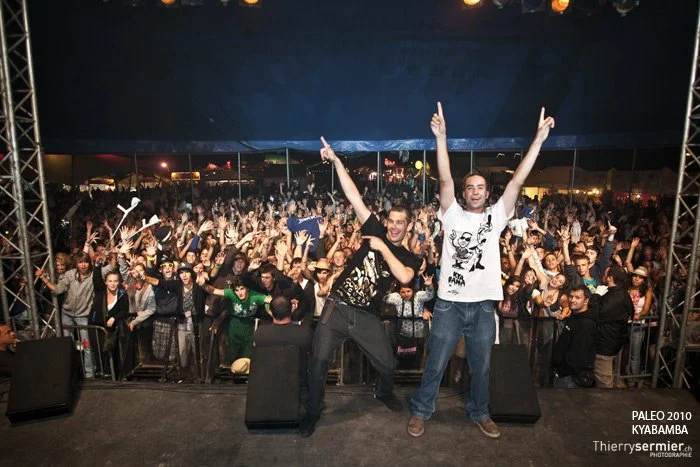
Paleo Festival Photo by Thierry Sermier